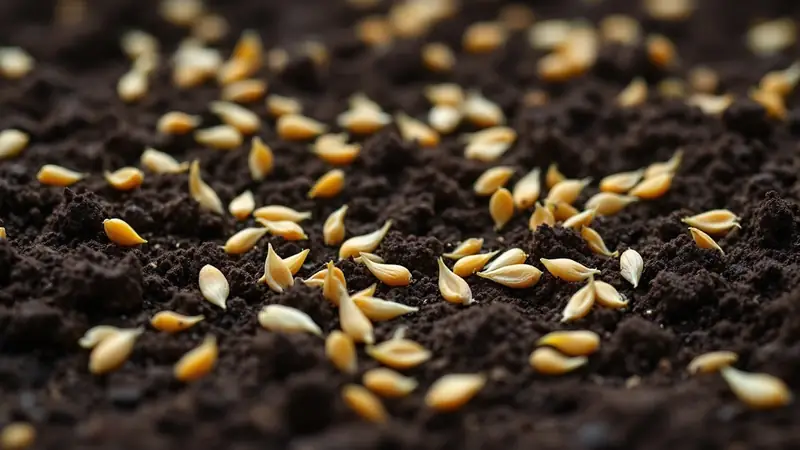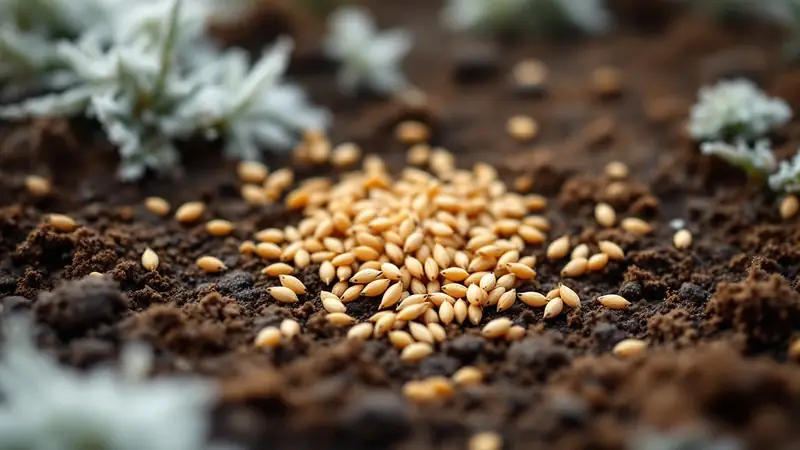
Is it too late to plant grass seed? For cool-season grass, yes once you are within 45 days of your average first 32°F frost: about Sept. 13 in Chicago and Oct. 6 in Atlanta. After that, dormant-seed once daytime highs hold at 45°F or below.
If you are asking “is it too late to plant grass seed” in late November 2026, the answer for a fall seeding is yes in every one of the 34 cities below: the latest safe date on the list, Oct. 6 in New York and Atlanta, passed more than six weeks ago. The rule behind those dates comes from University of Illinois Extension, which says cool-season seed planted at least 45 days before the first fall frost can root before winter. We counted back 45 days from each city’s median first 32°F frost in the NOAA 1991 to 2020 climate normals.
What is still open depends on where you live. In the North it is a dormant seeding once normal highs fall to 45°F, a window of 134 days in Minneapolis but 44 in Baltimore; from Richmond to Atlanta, winter highs never get that cold, so the next chance is late winter. We also checked the 45-day rule against 11 state extension calendars: the Midwest and Massachusetts agree within 2 to 12 days, while Connecticut and the transition zone allow 13 to 43 days more. Method and rates are in our guide on how to plant grass seed, and the date each city’s lawn stops growing is in our 36-city table of when grass stops growing.
The last day to plant grass seed in 34 cities
The bold column is the last day to sow tall fescue, Kentucky bluegrass, perennial ryegrass or fine fescue into bare soil and expect it to survive winter. Frost dates are medians, so half of years freeze earlier; the CSV adds the date only 1 year in 10 beats (Oct. 29 in Boston, Nov. 4 in Atlanta). The third column is the National Weather Service hard freeze, 28°F, which kills most vegetation.
Swipe the table sideways to see every column.
| City (NOAA station) | Median first 32°F frost | Median first 28°F hard freeze | Last safe day to seed cool-season grass (45 days before 32°F) | Dormant seeding window (normal high 45°F or lower) | Data |
|---|---|---|---|---|---|
| Boston, MA | Nov. 9 | Nov. 21 | Sept. 25 | Dec. 6 to March 15 | NOAA USW00014739 |
| Portland, ME | Oct. 15 | Oct. 27 | Aug. 31 | Nov. 25 to March 25 | NOAA USW00014764 |
| Burlington, VT | Oct. 15 | Oct. 28 | Aug. 31 | Nov. 19 to March 26 | NOAA USW00014742 |
| Albany, NY | Oct. 15 | Oct. 28 | Aug. 31 | Nov. 26 to March 15 | NOAA USW00014735 |
| Hartford, CT | Oct. 16 | Oct. 29 | Sept. 1 | Dec. 2 to March 9 | NOAA USW00014740 |
| New York, NY (Central Park) | Nov. 20 | Dec. 1 | Oct. 6 | Dec. 13 to Feb. 27 | NOAA USW00094728 |
| Philadelphia, PA | Nov. 10 | Nov. 23 | Sept. 26 | Dec. 19 to Feb. 18 | NOAA USW00013739 |
| Pittsburgh, PA | Oct. 23 | Nov. 4 | Sept. 8 | Dec. 1 to March 5 | NOAA USW00094823 |
| Baltimore, MD | Oct. 31 | Nov. 10 | Sept. 16 | Dec. 27 to Feb. 8 (only 44 days; warm spells can sprout seed) | NOAA USW00093721 |
| Washington, DC | Nov. 18 | Dec. 3 | Oct. 4 | Jan. 5 to Jan. 27 (only 23 days; warm spells can sprout seed) | NOAA USW00013743 |
| Richmond, VA | Nov. 4 | Nov. 15 | Sept. 20 | None: normal highs stay above 45°F | NOAA USW00013740 |
| Raleigh, NC | Nov. 4 | Nov. 16 | Sept. 20 | None: normal highs stay above 45°F | NOAA USW00013722 |
| Charlotte, NC | Nov. 3 | Nov. 14 | Sept. 19 | None: normal highs stay above 45°F | NOAA USW00013881 |
| Nashville, TN | Nov. 3 | Nov. 15 | Sept. 19 | None: normal highs stay above 45°F | NOAA USW00013897 |
| Louisville, KY | Nov. 7 | Nov. 17 | Sept. 23 | Dec. 25 to Feb. 1 (only 39 days; warm spells can sprout seed) | NOAA USW00093821 |
| Cincinnati, OH | Oct. 25 | Nov. 3 | Sept. 10 | Dec. 9 to Feb. 20 | NOAA USW00093814 |
| Columbus, OH | Oct. 27 | Nov. 6 | Sept. 12 | Dec. 4 to end of Feb. | NOAA USW00014821 |
| Cleveland, OH | Nov. 3 | Nov. 13 | Sept. 19 | Dec. 1 to March 11 | NOAA USW00014820 |
| Detroit, MI | Oct. 27 | Nov. 7 | Sept. 12 | Nov. 24 to March 14 | NOAA USW00094847 |
| Chicago, IL (O’Hare) | Oct. 28 | Nov. 7 | Sept. 13 | Nov. 23 to March 10 | NOAA USW00094846 |
| Indianapolis, IN | Oct. 26 | Nov. 5 | Sept. 11 | Dec. 2 to Feb. 27 | NOAA USW00093819 |
| Milwaukee, WI | Oct. 29 | Nov. 8 | Sept. 14 | Nov. 22 to March 18 | NOAA USW00014839 |
| Minneapolis, MN | Oct. 18 | Oct. 29 | Sept. 3 | Nov. 10 to March 22 | NOAA USW00014922 |
| Des Moines, IA | Oct. 20 | Oct. 30 | Sept. 5 | Nov. 23 to March 7 | NOAA USW00014933 |
| St. Louis, MO | Nov. 4 | Nov. 13 | Sept. 20 | Dec. 14 to Feb. 12 | NOAA USW00013994 |
| Kansas City, MO | Oct. 24 | Nov. 1 | Sept. 9 | Dec. 7 to Feb. 19 | NOAA USW00003947 |
| Omaha, NE | Oct. 21 | Oct. 30 | Sept. 6 | Nov. 27 to March 2 | NOAA USW00014942 |
| Denver, CO (DIA) | Oct. 9 | Oct. 18 | Aug. 25 | Dec. 6 to Feb. 14 | NOAA USW00003017 |
| Salt Lake City, UT | Oct. 31 | Nov. 10 | Sept. 16 | Nov. 27 to Feb. 16 | NOAA USW00024127 |
| Boise, ID | Oct. 21 | Oct. 31 | Sept. 6 | Nov. 24 to Feb. 12 | NOAA USW00024131 |
| Spokane, WA | Oct. 12 | Oct. 23 | Aug. 28 | Nov. 9 to March 4 | NOAA USW00024157 |
| Atlanta, GA | Nov. 20 | Dec. 5 | Oct. 6 | None: normal highs stay above 45°F | NOAA USW00013874 |
| Memphis, TN | Nov. 16 | Nov. 28 | Oct. 2 | None: normal highs stay above 45°F | NOAA USW00013893 |
| Oklahoma City, OK | Nov. 2 | Nov. 11 | Sept. 18 | None: normal highs stay above 45°F | NOAA USW00013967 |
Elevation and water move these dates as much as latitude: Denver International Airport gives the earliest date, Aug. 25, while Central Park holds frost off until Nov. 20. If your yard frosts before town does, plan on the 1-in-10 date, or enter your own days to frost below.
- Share of the 45-day minimum you still have (100% or more = on time)
- 67
- Weeks left before the median first frost
- 4.3
Default: 30 days left = 67 percent of the 45-day minimum (University of Illinois Extension), 4.3 weeks. Under 100 percent, overseed only, or wait for dormant seeding.
How much later do extension services allow?
State extension services publish their own calendars. The table pairs our date with each publication’s own words.
| City | 45-day date (our table) | What the state extension service publishes | Latest date read from it | Extra time the extension allows | Source |
|---|---|---|---|---|---|
| Minneapolis, MN | Sept. 3 | Optimal window mid-Aug. to mid-Sept. | Sept. 15 | 12 days | UMN Turfgrass Science |
| Des Moines, IA | Sept. 5 | Best from mid-Aug. to mid-Sept. | Sept. 15 | 10 days | Iowa State Extension |
| Chicago, IL (O’Hare) | Sept. 13 | Optimum Aug. 15 to Sept. 15 (northern Illinois and Indiana) | Sept. 15 | 2 days | Purdue AY-3 |
| Boston, MA | Sept. 25 | No new seedbeds after the end of September; overseeding has some leeway into October | Sept. 30 | 5 days | UMass Extension |
| Hartford, CT | Sept. 1 | Latest seeding date “has always been before October 4” | Oct. 3 | 32 days | UConn Extension |
| Memphis, TN | Oct. 2 | Cool-season seed no later than mid-October | Oct. 15 | 13 days | UT Extension |
| Nashville, TN | Sept. 19 | Cool-season seed no later than mid-October | Oct. 15 | 26 days | UT Extension |
| Baltimore, MD | Sept. 16 | Sow seed no later than mid-October | Oct. 15 | 29 days | UMD Extension |
| Atlanta, GA | Oct. 6 | Tall fescue September to October; after mid-November, wait for mid-February | Oct. 31 | 25 days | UGA B1533-2 |
| Kansas City, MO | Sept. 9 | Best early to mid-September; often up to Oct. 15 with good results | Oct. 15 | 36 days | K-State Johnson County |
| Oklahoma City, OK | Sept. 18 | Ideal late September and October; November too cold | Oct. 31 | 43 days | OSU HLA-6419 |
The gap mostly tracks latitude: 2 days in Chicago and 5 in Boston, 13 in Memphis and 43 in Oklahoma City, where soil stays warm after the first frost. Hartford is the outlier at 32 days, because its Bradley airport station freezes early, on Oct. 16. Using that slack costs time; Purdue AY-3 says waiting one week inside the window can add 2 to 4 weeks to maturity. UMass Extension ranks Kentucky bluegrass among the slowest grasses to establish and perennial ryegrass among the fastest but least cold-tolerant, and advises against switching species to rescue late timing. Its line: no new bare-soil seedbeds after September, “some leeway into October” for overseeding. Use the 45-day date for a new tall fescue or bluegrass lawn and the extension date only for patches and overseeding an existing lawn.
1Is today at least 45 days before your city's median first 32°F frost (bold column above)?
YesNot too late. Seed now: tall fescue sprouts in 5 to 10 days in warm fall soil (UGA).
NoGo to the next question
2Is today still before your state extension's published limit (Sept. 15 in Chicago to Oct. 31 in Oklahoma City and Atlanta)?
YesOverseed or patch an existing lawn now and accept the risk; hold a new bare-soil lawn for dormant or spring seeding (UMass).
NoGo to the next question
3Has the normal daytime high in your city dropped to 45°F or lower, with the ground still unfrozen?
YesDormant-seed now with 10 to 20 percent extra seed (UMN) and leave it until spring.
NoGo to the next question
4Does your city have a dormant window in the table (normal highs reach 45°F)?
YesWait for the window's first date, then dormant-seed.
NoNo dormant window where you live: seed tall fescue in late winter (mid-February in Georgia, per UGA) or lay sod while soil is above about 50°F (UMass).
Source: Illinois Extension 45-day rule; UMass, UMN, UGA; NOAA 1991 to 2020 normals
What happens if you plant grass seed too late?
Germination slows first: UConn Extension says seed and seedlings slow once soil cools below 50°F, and University of Maryland Extension says days under 10 hours long, generally November into February, support no grass growth. Under good conditions tall fescue sprouts in 5 to 10 days (UGA B1533-2); other species are in our grass seed germination time chart, and taking your own reading is covered in soil temperature for planting.
Then winter hits the seedlings. Seeds that germinate late often do not survive because young plants cannot handle the cold, wrote retired Minnesota Extension educator Bob Mugaas (UMN Turfgrass Science), and K-State adds that freeze and thaw plus dry soil desiccate tender roots and crowns. Whether unsprouted seed survives is where sources split: Maryland says it dies over winter except Kentucky bluegrass, while Purdue, Iowa State and Minnesota build dormant seeding on seed waiting until April. All agree on the worst case, seed that sprouts in a mild spell and then freezes, which Purdue AY-3 says makes dormant seeding riskier in southern Indiana and Illinois.
Dormant seeding: the fallback once the deadline passes
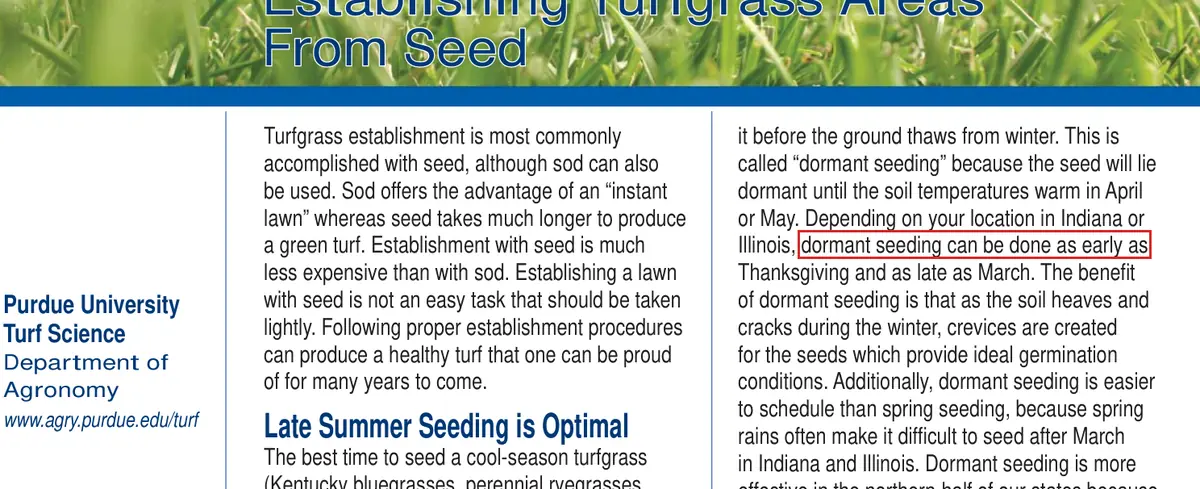
Dormant seeding means sowing after the grass stops growing but before the ground freezes, so the seed waits for spring. Iowa State Extension puts it from late November through early December, as late as early February, with soil at 40°F or lower; University of Minnesota Extension says early November to mid-March, and Purdue says Thanksgiving to March.
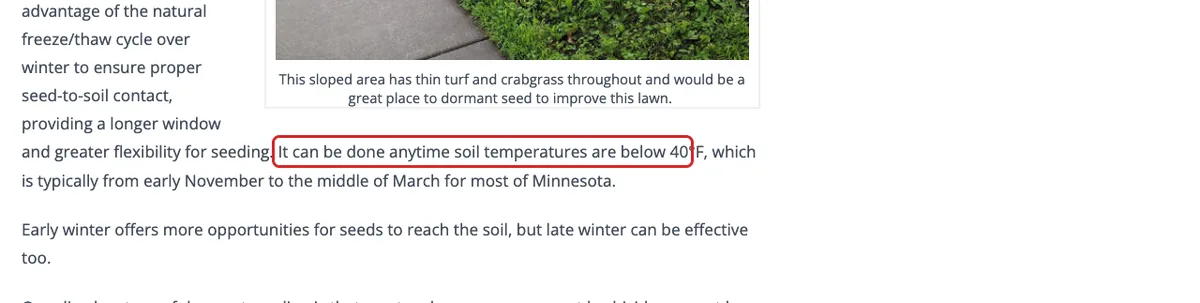
Our window is the stretch when the normal daily high is 45°F or lower, between UMass’s “air temps consistently below 50” and the 35 to 40°F highs Minnesota turf scientist Sam Bauer waits for. It matches the extension dates: Nov. 10 in Minneapolis, Nov. 23 in Des Moines and Chicago, Dec. 2 in Indianapolis. UMass advises erring late rather than early.
Once your city’s window opens:
- Bag leaves and lightly rake bare spots so seed reaches unfrozen soil; thin turf needs no other prep (UMN).
- Buy 10 to 20 percent extra seed for spring touch-ups (UMN); UMass also raises the rate because less seed germinates.
- Spread half the seed in each of two directions in dry weather, with a drop spreader on large areas. No raking is needed; use a germination blanket on slopes.
- Leave it until spring. Water seedlings if spring turns dry, and mow once most pass your normal height, at least 3 inches (UMN).
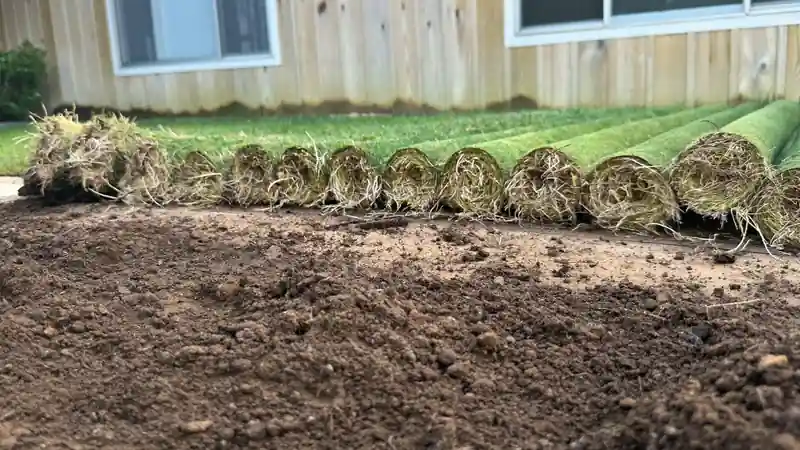
Where the window is short or missing, skip it: Washington gets 23 days and Louisville 39, and Richmond, Raleigh, Charlotte, Nashville, Memphis, Oklahoma City and Atlanta get none. UGA says tall fescue not sown by mid-November should wait until mid-February. For cover sooner, UMass says sod roots while soil is unfrozen and above about 50°F; trade-offs are in our sod vs seed comparison. Repairs such as dog urine spots follow the same dates.
When is it too late to seed bermudagrass or zoysia?
For warm-season grass the cutoff falls in summer, 97 to 139 days before the median frost. Bermudagrass germinates once temperatures reach 68°F (Arkansas MP477), and UGA starts warm-season seeding when 4-inch soil holds 65°F.
| City | Published warm-season seeding limit | Latest date | Median first 32°F frost (NOAA) | Growing days left before frost | Source |
|---|---|---|---|---|---|
| Nashville, TN | Bermudagrass, zoysiagrass, centipedegrass seed: May 1 to June 30 | June 30 | Nov. 3 | 126 days | UT Extension |
| Memphis, TN | Same Tennessee rule: no later than June 30 | June 30 | Nov. 16 | 139 days | UT Extension |
| Oklahoma City, OK | Most seeded bermudagrasses by July 1; Guymon by July 15 | July 1 | Nov. 2 | 124 days | OSU HLA-6419 |
| Little Rock, AR | Seed bermudagrass by early June; Aug. 1 seedings still reached 95% cover before winter | Aug. 1 | Nov. 10 | 101 days | Arkansas MP477 |
| Atlanta, GA | Warm-season seed no later than first to mid-August | Aug. 15 | Nov. 20 | 97 days | UGA B1533-2 |
The margin is for the first winter, when seeded bermudagrass is most likely to be injured; Arkansas found Aug. 1 seedings still reached 95 percent cover but recommends early June (Arkansas MP477). Oklahoma State wants sprigs and plugs in at least 2 months before the first fall frost and sod at least 1 month before (OSU HLA-6419).
Spring seeding and crabgrass preventer
Most crabgrass preventers stop grass seed too, so a dormant or late seeding rules them out next spring (UMN). Purdue AY-3 says to treat crabgrass after emergence in summer instead, and to wait until new grass has been mowed 4 to 8 times before a standard preemergent. Purdue’s 2006 sheet names siduron as safe at seeding, but our planting guide found every siduron registration listed as inactive at EPA.
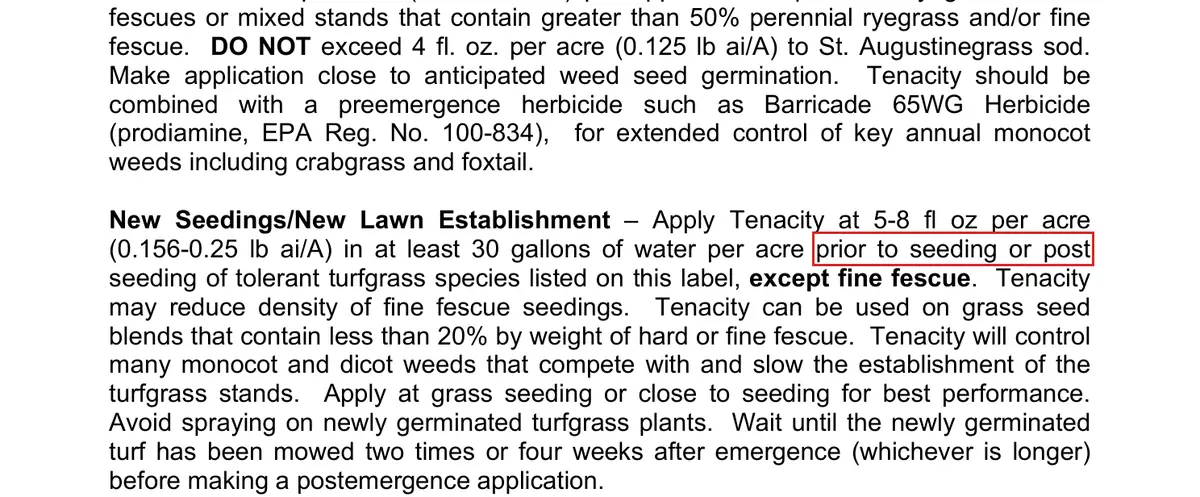
Mesotrione is the label-backed alternative. The Tenacity label (EPA Reg. No. 100-1267, Sept. 28, 2022) allows it before or after seeding of listed turfgrasses except fine fescue, on blends under 20 percent fine fescue, and says to wait until seedlings are mowed twice or 4 weeks past emergence, whichever is longer, before a postemergence spray (EPA-accepted label). Products for established lawns are in our guide to crabgrass killers that won’t kill grass.
This page is general information. Herbicide directions come from the product label, and the label is the law: read the one on your container for rates, grass species and reseeding intervals before you apply.
How we compiled this
We downloaded the NOAA NCEI 1991 to 2020 annual/seasonal and daily normals for 37 airport and city stations on Nov. 20, 2026. Frost dates are NOAA’s 50 percent probability dates; the seeding date subtracts 45 days from the 32°F date, and the dormant window counts the days the normal daily high is 45°F or lower. Both rules are our arithmetic on extension thresholds, and we checked them against 15 extension publications from 12 universities, all read in full in November 2026. We did not seed any test plots.
Frequently asked questions
What happens if I plant grass seed too late?
Seed in soil below 50°F germinates slowly (UConn), and late seedlings often die over winter (UMN). If seed sown in late October has not come up, wait for the dormant window or spring rather than reseeding into cold soil.
What temperature kills grass seed?
No source we read gives a temperature that kills dry seed; dormant seeding relies on seed lying in soil at 40°F or lower (Iowa State). Seedlings are the casualty: a hard freeze, 28°F for an extended period, kills most vegetation (NWS).
Is October 1 too late to plant grass seed?
By the 45-day rule, yes in 30 of our 34 cities; only Memphis, Washington, New York and Atlanta are still open. Extension calendars allow more: UConn to Oct. 3, Maryland, Tennessee and K-State to mid-October, Oklahoma State and UGA through October.
Can you plant grass seed in November?
In the North, as a dormant seeding once normal highs reach 45°F: Nov. 10 in Minneapolis, Nov. 23 in Chicago and Des Moines, Dec. 6 in Boston. In Georgia, UGA says tall fescue not sown by mid-November should wait until mid-February.
Can I just throw grass seed on my lawn and it will grow?
For a dormant seeding into thin turf, nearly: Minnesota says no raking is needed because freeze and thaw work seed into the soil, but it fails on dense turf where seed cannot reach soil. More in whether grass seed grows on top of soil and keeping birds off grass seed.
What is the latest you can overseed?
A little later than a new lawn: UMass allows some leeway into October for overseeding in Massachusetts; UConn’s latest Connecticut date is Oct. 3. After that, overseed as a dormant seeding.
Sources
- NOAA National Centers for Environmental Information, U.S. Climate Normals 1991 to 2020 (annual/seasonal and daily station files for 37 stations), 1991 to 2020 normals, downloaded Nov. 20, 2026. Accessed November 2026.
- National Weather Service, Glossary: Hard Freeze, current page. Accessed November 2026.
- University of Illinois Extension, Choose the right grass seed for a thriving lawn, Aug. 6, 2020. Accessed November 2026.
- Purdue University and University of Illinois, AY-3-W, Establishing Turfgrass Areas From Seed, 2006 PDF. Accessed November 2026.
- UMass Extension Turf Program, Late Season Establishment Considerations, updated Oct. 3, 2016. Accessed November 2026.
- UConn Home and Garden Education Center, Lawn Renovation and Repair, revised 2016. Accessed November 2026.
- University of Maryland Extension, Lawn Maintenance Calendar, updated March 16, 2026. Accessed November 2026.
- University of Maryland Extension, Starting a New Lawn, updated March 16, 2026. Accessed November 2026.
- University of Tennessee Extension Master Gardener, Chapter 10: Turfgrass Management in Tennessee, current page. Accessed November 2026.
- University of Minnesota Turfgrass Science, Consider dormant seeding your lawn this fall (Sam Bauer; repost of Bob Mugaas), current page. Accessed November 2026.
- University of Minnesota Turfgrass Science, There’s Still Time to Dormant Seed Your Lawn (Sam Bauer), current page. Accessed November 2026.
- University of Minnesota Extension, Dormant seeding to establish or improve your lawn, reviewed 2025. Accessed November 2026.
- Iowa State University Extension and Outreach, Seeding a New Lawn, last reviewed September 2026. Accessed November 2026.
- K-State Research and Extension, Johnson County, Considerations for Seeding Lawns in Late Fall, updated June 30, 2026. Accessed November 2026.
- Oklahoma State University Extension, HLA-6419, Establishing a Lawn in Oklahoma, October 2016. Accessed November 2026.
- University of Georgia Extension, B1533-2, Lawns in Georgia: Establishment, May 10, 2021. Accessed November 2026.
- University of Arkansas Division of Agriculture, MP477, Establishing Seeded Bermudagrass on Lawns, Golf Courses or Athletic Fields, revised January 2025. Accessed November 2026.
- Syngenta, EPA-accepted label, Tenacity Herbicide, EPA Reg. No. 100-1267, Sept. 28, 2022. Accessed November 2026.